
This series introduces frameworks and tools from The Strategic Speaker Coach: what they are, how to use them and the impact on your communication.
I initially developed this (kind of fun) tool to help speakers who told me they felt like a fraud. When they were invited to give a talk about something they cared about, they would say, “Who am I to speak about this?” Sometimes speakers called it “Imposter Syndrome”, although I’m more likely to name it “I haven’t yet named the thing I care about enough to speak up about and worked out how to do that in a way that leads to positive change without turning people away from me”. I noticed a similar thing happened when leaders were faced with difficult decisions.
Origins of Who I am & Who I am not
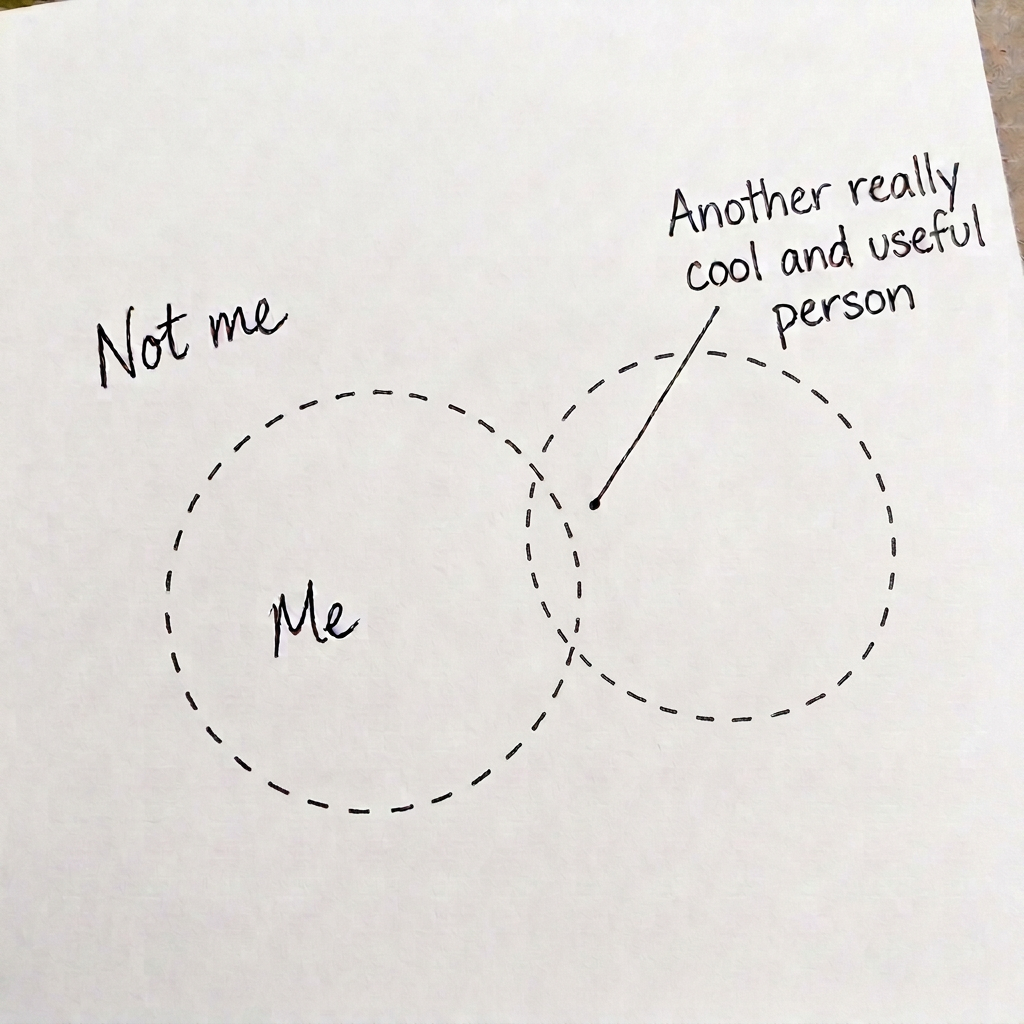
In my early days as a speaker coach, I was asked to coach a lot of speakers who had been invited to speak about something important to them, based on their lived experience. These speakers – often women in STEMM – worried they didn’t have authority to talk, because they didn’t have an official qualification or decades of professional experience in that particular thing.
I found that by helping them define who they are not, they could more easily identify what they were equipped to speak on. Over time, this helped them to gather more information about the area they cared about and, in time, become more of an expert in that space.
What is Who I am and Who I am not?
Who I Am and Who I Am Not is a tool and a practice for owning and growing your expertise in an informed, ethical way.
It is not about being an influencer. It is designed to help you and your practice develop over time, not to help you become an authority overnight on something you read about last week.
It’s also not about avoiding things because they aren’t your expertise.
Why is it important?
Without being clear within yourself about the domain you know about and the bit you don’t (perhaps yet), it can be easy to become defensive in a bid to prove yourself. The tightening around a fear of “being found out” can limit the growth of your work and its impact, or make you grasp for recognition.
How do you apply the Who I am and Who I am not Tool?
This tool is good to do with a pen and paper. There are two main steps, ideally followed by some reflection time. The engineer in me defaults to a Venn diagram (see image above). But you could draw a house with an open door, where what you are is inside the house, and what you are not is the garden around the house. Or find your own metaphor.
Here are the steps, with an example.
1. I am not…
Write down all the things you are not in relation to the topic. The list can be ridiculous, and it can be long. I’ll use myself as an example, when I ran a social enterprise in chronic pain care:
I am not…the world expert on chronic pain with four PhDs.
I am not…a physiotherapist with a masters in chronic pain.
2. I am…
Write down all the things you are, in relation to the topic. Try to keep going until you are not filtering yourself too much.
My example:
I am…someone who has spoken to many women with fibromyalgia and chronic fatigue
I am…someone who understands challenges they face getting to medical appointments and trusting doctors
Take some time to look at your diagram. It will grow over time, as you do more work in this important space. I would usually follow the writing with a somatic exercise so you get the feeling of these aspects to who you are, and who you are not.
Who I am and Who I am not is a quick but deep way to help you move through the fear of not having authority to speak, by showing you where, for now, you do have knowledge and experience to draw on. Read more about how these frameworks and tools look in practice in case studies like this one.
About Rachael West: I have been a Somatic and Strategic Speaker Coach for over 15 years. I draw on a rich professional background in strategy, social innovation and public infrastructure, as well extensive training in physical theatre, Body Mind Centering and other movement practices. My work is guiding speakers at all levels to deliver great talks that make their ideas ripple. Contact my by email or on LinkedIn to discuss how I can support your next event.


