
This series introduces frameworks and tools from The Strategic Speaker Coach: what they are, how to use them and the impact on your communication.
Seedbed Dialogue helps you to suspend your assumptions about what you think you should say to an audience, by considering your talk through their eyes, and then seeing the context or environment you are operating in. This makes it easier to deliver a talk that leads to meaningful change.
Origins of the Seedbed Dialogue
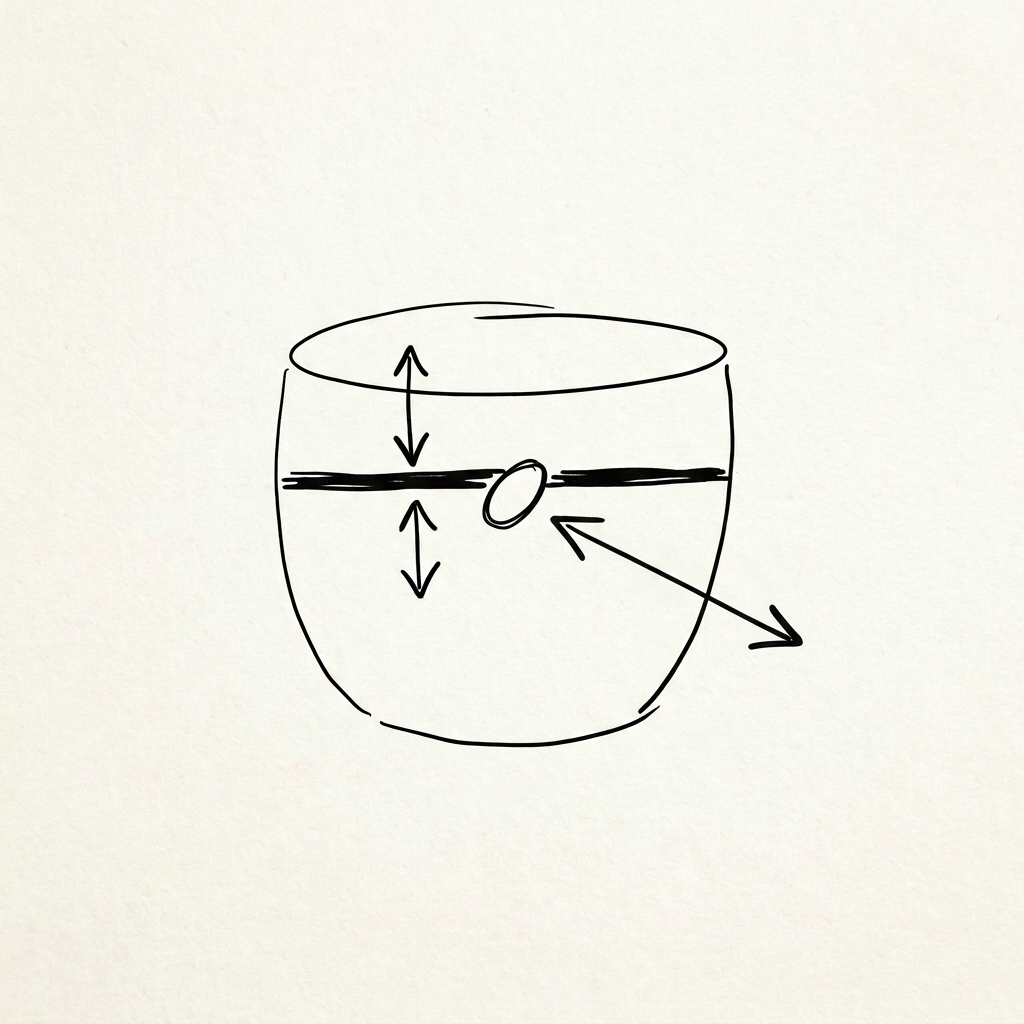
As a young engineer, I believed that if I could find one, really good example of sustainability to tell my colleagues about, I could convince them to bring environmental and social considerations into our projects. Of course, what actually happened was that my colleagues (mostly older and more senior than me) said, “But those people are different to us. That won’t work here”.
Over the next decade, I learnt a lot more about how change really works. A sustainability masters unit introduced me to systems thinking and the realisation that I can’t “just convince” people to change their minds by telling them something that makes logical sense to me. I learnt more about the complexity of humans making change through practices like Theory U, futures work and social innovation.
Now, as a Strategic Speaker Coach Seedbed Dialogue offers a first, quick step, to help my clients see their issue through someone else’s eyes, so they can communicate more effectively. Many leaders are essentially change makers, and change only happens when you can step outside your own perspective.
What is the Seedbed Dialogue?
The Seedbed Dialogue is an inquiry that allows you to temporarily suspend your assumptions about what you think you should say to an audience.
The practice involves considering and hold three perspectives simultaneously – what you want your audience to do differently once they listen to you, what the audience think and feel, and influencing environmental factors. You then “wait” for something new to emerge from the middle.
Its name draws on Bohmian Dialogue where, rather than communication being a “trade” of information in an attempt to “gain advantage”, a group of people listen to each other’s points of view and assumptions “without reacting and jumping in” . When this happens, something new can be created. (This was a skill I had to learn – the first time I was exposed to Bohmian Dialogue in the early 2000s, I had jumped in within about two minutes to “explain” for my colleague!)
While the Seedbed Dialogue has a fairly specific purpose and outcome, and is therefore different to Bohmian Dialogue, the elements of listening, inquiring and waiting are key. A seedbed is a place or environment that favours the development of something, speaking to the goal of understanding where our ideas may have space to grow through our communication.
Why is a Seedbed Dialogue important?
As soon as you put an idea out into the world, the world changes. You are then changed by how the world responds to your idea. When you are on stage in front of an audience, you are affected by them as much as they are by you. Without a Seedbed Dialogue-style inquiry, it’s easy to miss key information, say something that puts your audience’s barriers up, or have other unintended consequences. This also prevents your work from growing.
How do you apply the Seedbed Dialogue?
Seedbed Dialogue is sort of like a multi-way dialogue, where you are listening to your audience and your environment before, during and after your talk. (It leads into the full Landscape Scan which considers a talk from multiple perspectives including past, present and future.) You consider these three angles to your talk topic.
1. Your audience’s perspective
What does the audience already know and feel about your topic?
2. Your own desires
Sense, then name, what you wish to see happen in the world. I get people to write, sing, speak or intepretative dance their vision for change. (Sadly, I don’t think any have so far taken the opportunity to dance it!) Sometimes you won’t yet have the words for this, which is OK.
3. Consider external influences
Look at your topic and your audience from the outside. What forces, influences or emerging signals could affect your audience’s beliefs or capacity to act. Try to be specific rather than something overly broad like, “The government isn’t acting”. As an example, as a Strategic Speaker Coach, one external influence that can change how people engage with my work is the social media imperative to create lots of content. This means speakers may not understand why they should think in more complex ways about their talk. An emerging signal is online fatigue and a move towards relationships and body sensing, which means people are starting to realise the effect of mass content production on their ability to do good work.
It’s not a linear process, so you can do these in any order. The trick is to hold them all in your attention before you start preparing your talk. Each of these three components has different layers. For example, the change you wish to see could be that your colleagues consider where they park when they are investigating First Nations’ sacred sites, or you could wish for a deep sense of reverence for indigenous culture. Sometimes you want multiple things. The Dialogue approach helps identify where is best to start.
The Seedbed Dialogue helps you to suspend your assumptions and hold multiple perspectives, so that your idea is informed, dynamic and grows over time. Each talk you give is a conversation with your audience, informed by your shared context, and an artefact in time that you can refer back to. The Seedbed Dialogue Framework folds into the Landscape Scan which helps speakers to consider their talk from multiple timeframes and perspectives. Read more about the Landscape Scan in case studies like this one.
About Rachael West: I have been a Somatic and Strategic Speaker Coach for over 15 years. I draw on a rich professional background in strategy, social innovation and public infrastructure, as well extensive training in physical theatre, Body Mind Centering and other movement practices. My work is guiding speakers at all levels to deliver great talks that make their ideas ripple. Contact my by email or on LinkedIn to discuss how I can support your next event.


